
All Activity
- Past hour
-

Interior Condition of an N47 After 210,000 Miles
ChatMaven replied to Blu_Ray_UK2007's topic in General Discussions
The engine is exceptionally clean, resembling others that have undergone consistent oil changes. Numerous instances of sludge accumulation have been observed in several vehicles, even those with mileage well below 100,000 miles. It clearly demonstrates that long-life servicing is completely fallacious. -

Interior Condition of an N47 After 210,000 Miles
Blu_Ray_UK2007 replied to Blu_Ray_UK2007's topic in General Discussions
Although my car is now mechanically in optimal condition, the money expenditure was irrational (several thousand pounds). I possess an automobile that is relatively well-maintained (considering its 200,000 kilometres) and appears unlikely to malfunction in the near future. Additionally, being Euro 5, it is significantly easier to maintain than a Euro 6 vehicle. Acquiring a newer vehicle in such excellent technical condition would either necessitate 1) purchasing a new automobile or 2) experiencing extraordinary fortune in the used car market. This amount far exceeds the car's value, and insurance companies will not recognise it as having any worth in the event of a claim. Nonetheless, it operates exceptionally well. -
Interior Condition of an N47 After 210,000 Miles
Blu_Ray_UK2007 replied to Blu_Ray_UK2007's topic in General Discussions
The sump is remarkably clean immediately following its removal, considering it has accumulated over 200,000 kilometres. The upper section appeared pristine, devoid of tarnish or muck. -
Interior Condition of an N47 After 210,000 Miles
Blu_Ray_UK2007 replied to Blu_Ray_UK2007's topic in General Discussions

-
Interior Condition of an N47 After 210,000 Miles
Blu_Ray_UK2007 replied to Blu_Ray_UK2007's topic in General Discussions
-
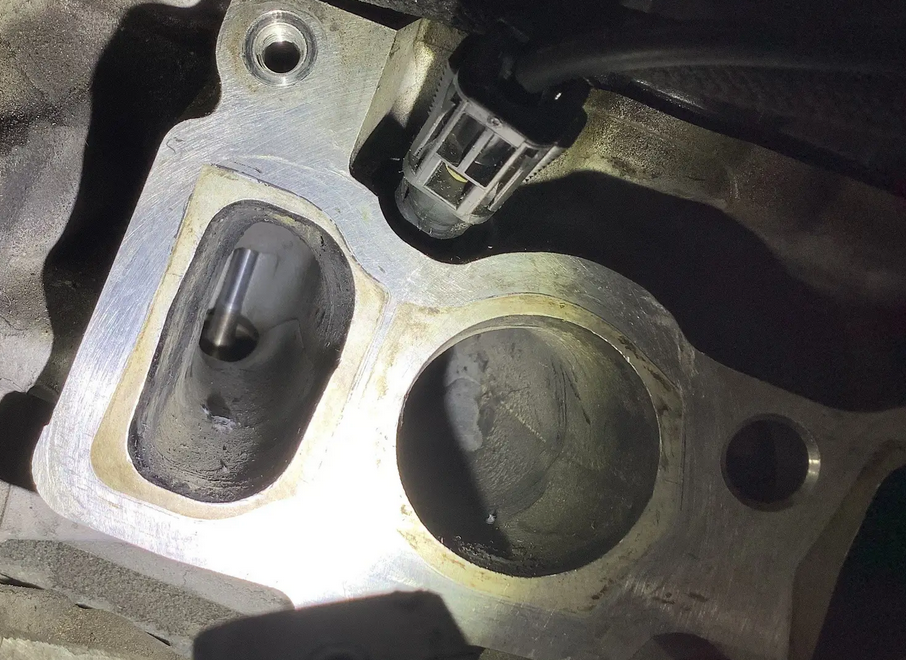
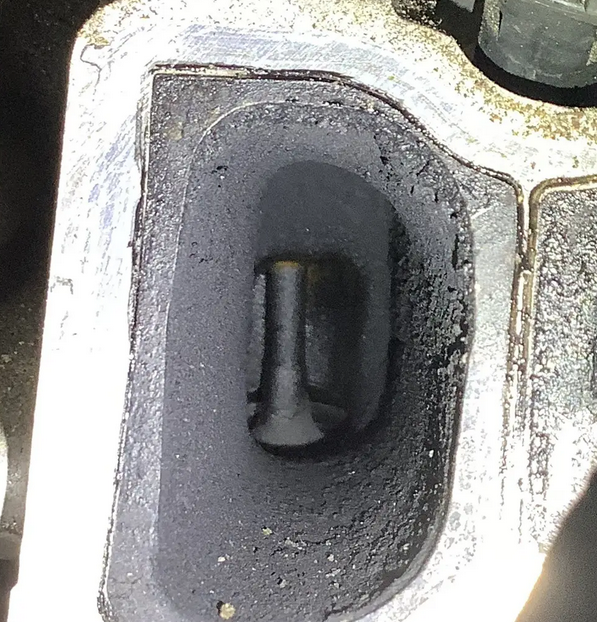
Upon evaluating other alternatives, I opted for lunacy. I invested money in an engine refurbishment for my 210,000-mile F31 320D, including a new timing chain, oil pump service with sump removal, walnut blasting, cam cover replacement, water system overhaul (pump, thermostat, various hoses, tank, radiator), pulleys, DPF flex pipe and an additional ZF gearbox service. Several discoveries: A regimen of consistent and proactive oil changes has yielded benefits. The oil pump remains in excellent shape and was not replaced; the turbo is in wonderful condition, and the engine inside is exceptionally clean. The garage that has serviced it for me over the last years has evidently performed the task correctly. Nonetheless, the maximum lifespan for the timing chain is 210,000 miles. The previous one was deteriorated, exhibiting greater wear laterally than longitudinally, which poses a greater risk of unexpected snagging and snapping; hence, it was unequivocally time for a replacement. The N47 has performed admirably. The water system required replacement, however the radiator itself was not particularly problematic (it was replaced anyway for assurance). An earlier EGR replacement 100,000 miles ago (to preempt the recall not being conducted on older vehicles), extensive long-distance travel, and the avoidance of low-quality fuel have led to negligible carbon accumulation over the past 100,000 miles (refer to the photographs below). The walnut blast was unnecessary, although I opted to have it performed while I was there. The outcome: it is currently a 215,000-mile vehicle, operating with remarkable smoothness.
-
 The issue may lie with the oil solenoid itself, which could be worn internally. The link below contains extensive information on the B48 engine, which shares a similar design but is missing one cylinder compared to yours. It illustrates the solenoid bolts and how the gauze fails; when it does, it directs the gauze towards the sprocket. It is unlikely for it to move in the opposite direction, as oil pressure ranging from 40 to 80 psi propels it one way. To be candid, the B series engines present significantly more challenges during maintenance. The vehicle referenced in the link adhered strictly to the manual, except for the injector replacements. Upon removal, the owner noted a fuel odour and observed a mark on the injector seat to rail. BMW typically replaces the injectors when servicing chains. A colleague at BMW expressed surprise that I managed to extract all four injectors without breaking or damaging them, as each required careful handling and took approximately an hour to remove gently. This vehicle had 118,000 miles; the chain was worn, and the sprockets were in poor condition. The timing ring on the inlet cam was discovered to be loose when heated, resulting in the erosion of the location groove. Additionally, a coolant leak was identified due to the degradation of the plastic oil filter housing caused by age and heat. A colleague at BMW mentioned that the normal cost for chain replacement is approximately $4,000. The last one I completed was half that amount, utilising original equipment parts from INA. INA is imprinted on authentic projects adjacent to the BMW stamp. The INA full kit from Mpd is priced at about fifty percent less than the equivalent kit from BMW, although including identical components manufactured in the same location.
 -
 I ponder whether debris from the damaged gauze filter is obstructing the central valve, preventing the actuator from depressing it, hence causing the actuator housing to be displaced outward. I cannot get the reason for its oscillation when idle.
 -
that is unfamiliar to me
-
Here is a link demonstrating the motion of the vanos actuator.
-
If you encounter difficulties in locating someone to assist you, feel free to submit it to me.
-
The B48 and B38 engines feature a similar timing arrangement, with oil solenoids integrated into the bolts securing the Vanos system at the camshaft's end. A prevalent issue arises when the gauze filters disintegrate, subsequently entering the Vanos sprocket and causing damage. Without visual inspection, it is challenging to assess the situation based on your description. If the electronic component of Vanos control has been displaced from the rocker cover, it may indicate a malfunction, or the plastic of the rocker cover may have become brittle. The timing chains in the B48 engine exhibit superior durability compared to the B38, as the latter's three-cylinder configuration experiences greater wear due to higher revs. The BMW service item for the 100,000 to 120,000-mile interval involves the replacement of timing chains, necessitating the removal of the engine and gearbox. BMW estimates the cost for the B48 chain replacement at approximately £4,000. I completed a few of these jobs last year, initially charging the same as for a diesel engine until I assessed the expenses associated with the chain kit, which is quite costly. This task is not straightforward and requires specialised locking tools; the lase
-
I am receiving error codes 130F11, indicating an exhaust camshaft plausibility fault, and 120408, which pertains to boost pressure control, specifically a blocked cut-off pressure rise. Research indicates that the boost error arises from the camshaft error rather than the actual defect. While the engine is idling, I observe the plastic vanos actuator housing oscillating in and out, away from the cam cover. The spring clips are insufficiently robust to secure the housing firmly against the cam cover, resulting in the actuator displacing it instead of actuating the central vanos valve. It has been recommended that I substitute the huge O-ring (seal) encasing the actuator within the cam cover, as well as the spring clips securing the actuator, due to their tendency to weaken and become more malleable with time. Has anyone encountered this previously and can confirm if the clips, among other components, serve as the solution?
- Yesterday
-
 I would place it on a ramp and have the front end inspected.
 -
 The issue may pertain to the steering rack, for which ample information and a repair kit are available.Is it exclusively during reversal? It could also be a flex disc or giubo, among others.
 -
 Thank you for the guidance. It occurs solely when turning either direction; it does not happen when reversing with the steering wheel positioned straight. I will ensure to verify this. 🙂
 -
 I would examine the propshaft centre bearing/bushing.
 -
It is rear-wheel drive; I apologise for not specifying earlier. 😅
-
Is it an xDrive model?
-
Hello there, people. I require assistance or guidance on a 2012 BMW F30 equipped with a 2.0L N47 engine. When reversing, it produces several thudding noises from either side. It appears to originate from an impact beneath the vehicle. While in the vehicle, I replaced the passenger side tension strut/control arm (the one with the large hydraulic bushing) due to a defective ball joint, hoping it would resolve the issue; but, it did not. It appears to occur exclusively while making a turn in either direction while proceeding straight. I have not observed it. The sound is unpleasant, resembling the impact of striking something beneath. Any suggestions or input would be highly appreciated. Thank you.
-
 I would purchase any pink coolant provided it bears the manufacturer's reference. MB325.6 is correct. The capacity of my 2012 S204 C220 is 6.5 litres (blue variant). I would consult the manual or search for it online. I find it somewhat peculiar that the S205 has a capacity of 8.5 to 10 litres. I purchase a concentrated solution and dilute it with 40% to 60% water, as advised, using a ratio of 2 to 3 parts water. That is satisfactory for weather conditions in the UK.
 -
 The Factory fill has a lifespan of 15 years.
 -
 Yes, it is the pink variant; I believe it requires approximately 8.5 to slightly over 10 litres to completely fill the system.